
Expanding Life-Saving Skills Through Local Certification

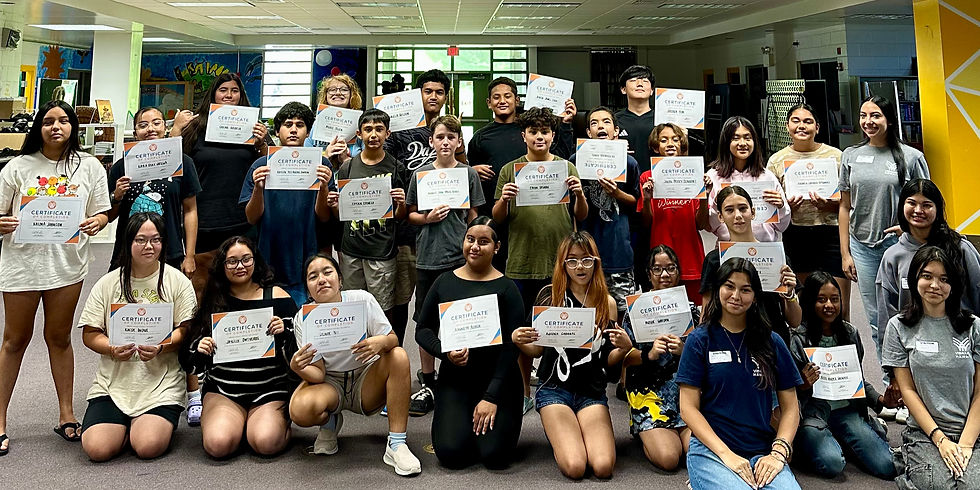
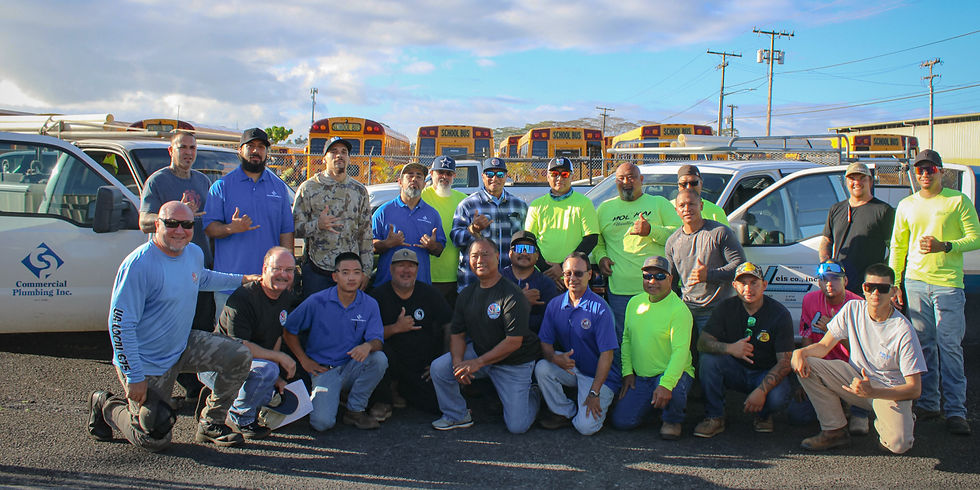
This year, Vibrant Hawaiʻi supported the completion of 358 First Aid, CPR, and AED certifications, delivered by a network of 30 locally based instructors across Hawaiʻi Island. By bringing training directly into neighborhoods, workplaces, and gathering spaces, these efforts expanded access to essential life-saving skills and ensured help is closer when it matters most.
The urgency of this work is grounded in proximity and timing. As Niki Vergara of Hilo Medical Center, who trained the instructors, shared, “Life-threatening emergencies can happen to anyone, anywhere, anytime—and in these situations every second counts. Having more community members trained in these simple skills can help save lives by putting more people within a few steps of lifesaving assistance.” Building local capacity increases the likelihood that immediate care is available in critical moments.
That shift toward community-wide readiness has been especially evident in the expansion of civilian-led training. Lance Uchida, a retired Hawaiʻi Fire Department captain, played a key role in helping build and strengthen this program as a volunteer instructor. Reflecting on the impact, Uchida shared, “Throughout my career with the Hawaiʻi Fire Department, First Aid, CPR, and AED training was primarily focused on first responders. Through Vibrant Hawaiʻi, I’ve seen how strongly private citizens want to keep their families safe and build more resilient communities.” His leadership helped translate decades of first-responder experience into training that empowers everyday residents.
This year’s certifications build on foundational work launched in 2023 to reduce barriers to training by distributing shared equipment caches in every district of the island. Investing in local instructors and accessible equipment has made certification opportunities more consistent, reliable, and rooted in place.
The impact extends beyond emergency response. First Aid and CPR certification is required across many sectors, including healthcare, education, hospitality, construction, and public service. Expanding access to training supports job readiness and economic mobility, allowing residents to meet employment requirements without leaving their communities.
Through the leadership of 30 instructors, the dedication of volunteers like Lance Uchida, and continued investment in local training capacity, Hawaiʻi Island is strengthening its ability to respond quickly and equitably—ensuring life-saving skills are shared, accessible, and embedded across the island.
Greetings from West Hawaii Dance Theatre & Academy! We are a 501 c 3 non-profit educational organization based in Kailua-Kona Hawaii Island. How do we apply and who do we contact to be considered a recipient for the free CPR/AED training?
Mahalo for your time. Virginia Holte, Founder, Artistic Director virginia@whdt.org