
Vibrant Hawaiʻi Hosts Statewide Resilience Conference
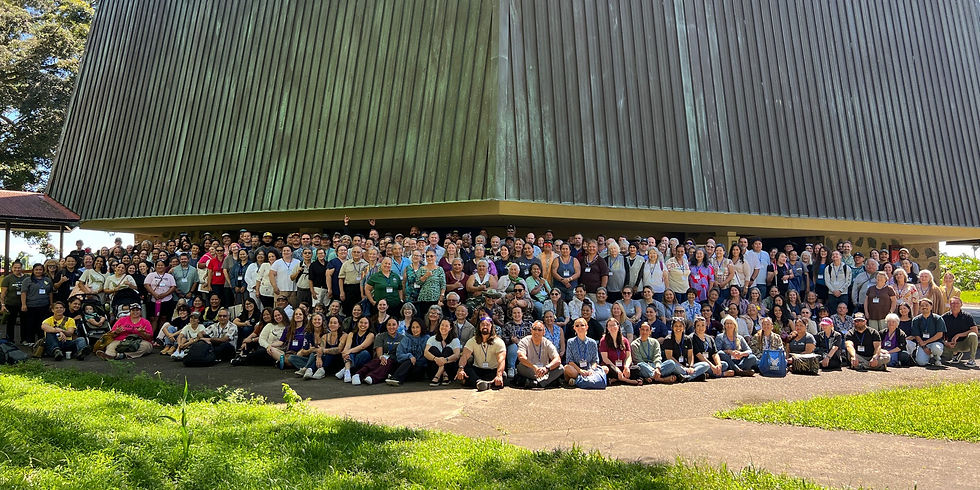
Across two days in June, nearly 300 people from all four of Hawaiʻi's counties convened in Hilo for a statewide resilience conference: bringing together emergency management officials and grassroots community volunteers into the same training rooms.
The Resilience Conference reflects a broader shift underway in disaster preparedness across Hawaiʻi: a growing recognition that formal emergency response systems function more effectively when paired with trained networks of community volunteers who are already embedded in the places they serve.
The conference opened with a keynote, framing Hawaiʻi's approach to disaster response around several existing legal and cultural provisions, including the Aloha Spirit Law and portions of the Hawaiʻi Revised Statutes governing emergency management. Organizers said the intent was to position these frameworks not as ceremonial references but as operating principles carried through the rest of the conference's programming.
Participants moved through six training tracks over the two days: medical support, mental health support, shelter operations, food security, disaster case management, and volunteer and donations management. Instruction was led by a mix of government agencies, hospital staff, licensed clinicians, and nonprofit organizations, with an emphasis on scenario-based exercises rather than lecture-style presentation.
The medical support track, for instance, included hands-on emergency response training. The mental health track drew on licensed therapists and chaplains who work directly with first responders. A session on volunteer coordination introduced attendees to DARCI, a software platform used to manage volunteer deployment during emergencies.
Organizers and attendees framed the conference's core aim as relational as much as technical: building networks of people who already know one another, and who can therefore act quickly and in coordination when the next emergency occurs. Officials from state and county emergency management agencies attended alongside representatives of Hawaiʻi's community resilience hubs — a decentralized network of local organizing groups that has expanded in recent years, largely in response to increasingly frequent climate-driven disasters across the islands.
Mahalo to the many instructors, volunteers, Kūkaukaʻi Sponsors, In-Kind Sponsors, and community partners whose generosity made these two days possible. Hawaiʻi's resilience depends on communities that are organized, trained, and connected before disaster strikes — and that requires ongoing investment from government, philanthropy, and community members alike. Resilience Hubs are active and growing across the state, and there is a role for every sector to play in strengthening them.
To join an existing hub, start one in your community, partner with us, or invest in this work, contact us at contact@vibranthawaii.org.

Comments